The problem with OpenClaw agents is that they blow up

One of the most interesting phrases in AI right now is blast radius. The real concern with agents is not just whether they work. It’s how much damage they can do when they don’t.
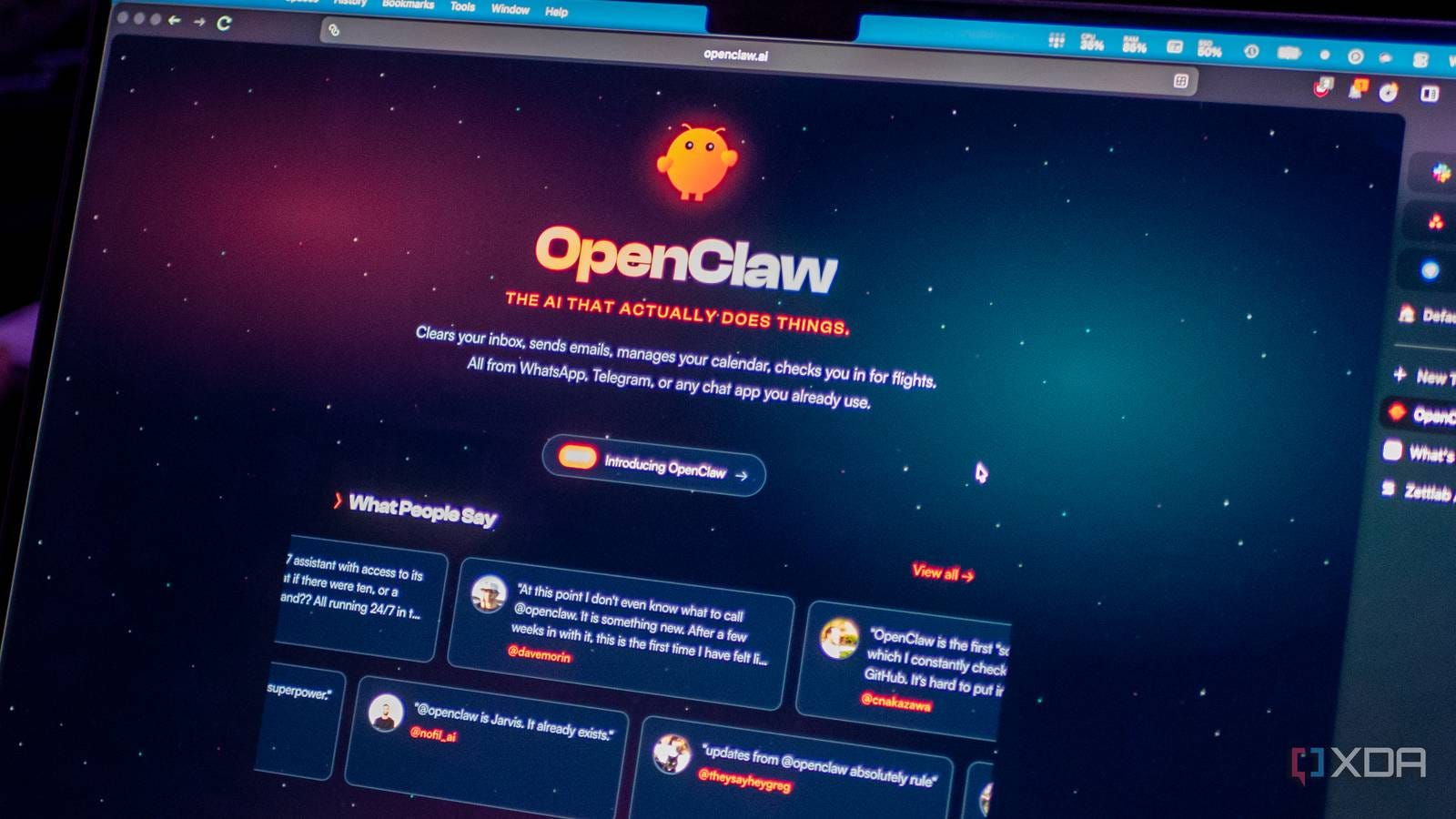
New developments with agents like OpenClaw showed just how powerful an agent can get if you give it more access. Give it full email access, it can summarize, draft a response, or automatically reply for you. Give it full computer access, it can create folders and files and build a full coding project by itself.
But the capabilities scale directly with the risks. Hence the concept of blast radius. How much damage it can do when it blows up. Because these things tend to get exploited, especially when set up incorrectly. The same email access can also grant the bot full phishing capabilities if hacked. Imagine your parents, coworkers, boss, or worse, ex’s, all receiving a convincing email from “you” asking for money. Or your computer completely wiped and exposed to malicious actors.
So we’ve got to limit the risks.
There’s a reason why many are installing Openclaw on separate, fresh Mac Minis. Not because they need the processing power (unless you need to run local LLMs), but because it limits the blast radius, while giving the agent a lot of space to operate. When the agent gets hacked or taken over, the worst-case damage is mostly limited to the files on that Mac Mini. Painful, but much less than if it happens to your personal files.
Agents like OpenClaw are quite powerful but they are still early. They will have bugs. They will have vulnerabilities. Yet, they are the most powerful personal agents yet, precisely because of how much access we give them.
Which is why they feel less like bombs and more like nuclear reactors.
With bombs, you mainly worry about detonation.
With nuclear reactors, you need to worry about containment.